
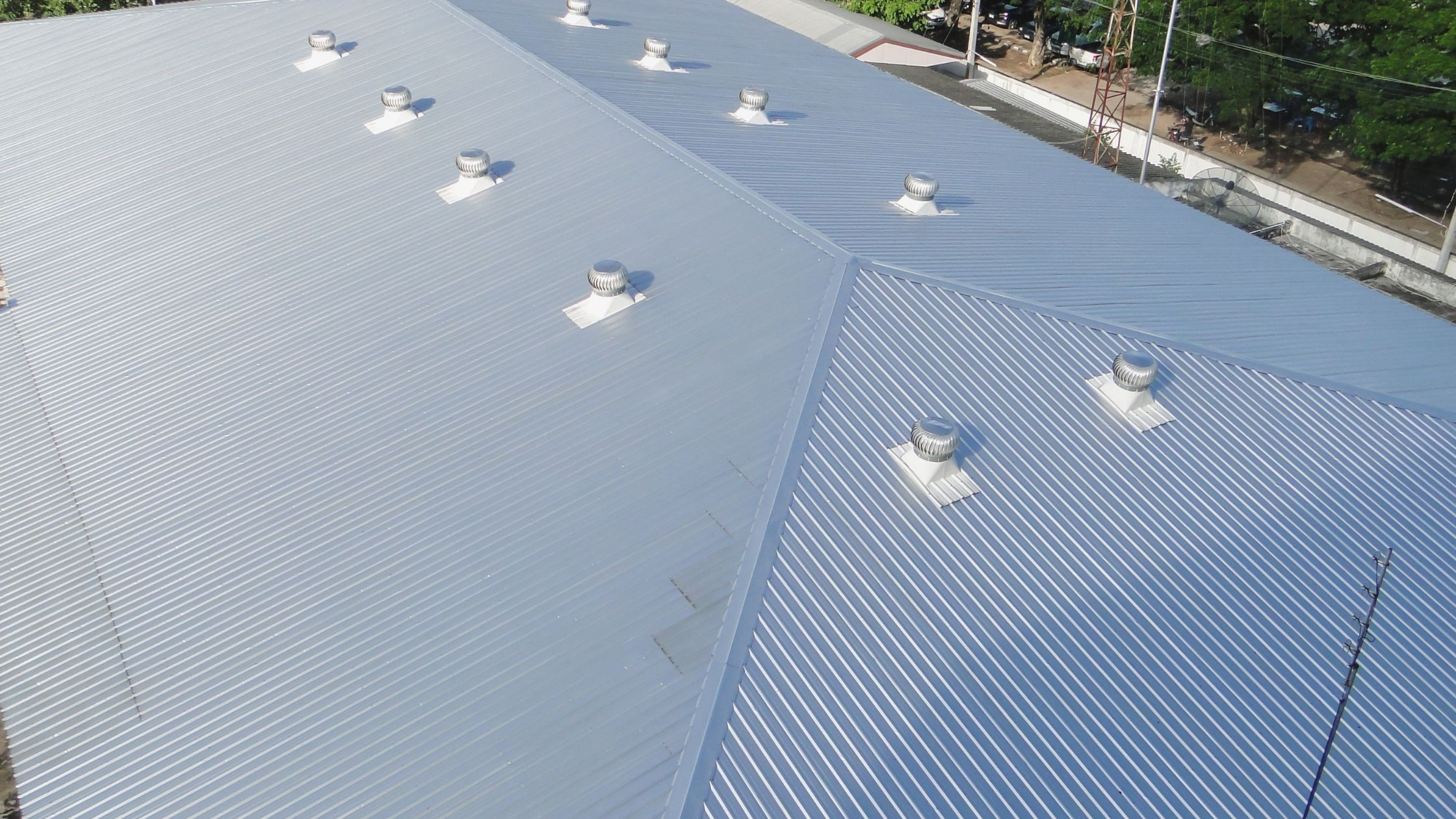
A commercial flat roof is one of the biggest assets protecting your business — and one of the easiest to ignore until water is dripping onto inventory or a tenant is calling about a leak. If you own or manage a building in the area, understanding how commercial flat roof repair in Detroit works will help you act early, budget smartly, and avoid the far larger cost of a premature replacement. Here is what every building owner should know.
Why flat roofs need special attention
Flat roofs — technically “low-slope” roofs — behave very differently from the pitched roofs on houses. Because water drains slowly, even a minor problem with the membrane, seams, or drains can let moisture sit and work its way into the building. Add Detroit’s freeze-thaw winters, hot summers, and rooftop foot traffic from HVAC service, and you have a surface that takes real punishment year-round. The good news is that flat roofs are also very repairable when issues are caught early.
Common commercial flat roof problems
Most commercial roof leaks trace back to a handful of recurring issues. Knowing what to look for helps you flag trouble before it spreads.
Ponding water is the classic flat-roof enemy — low spots where water collects and slowly degrades the membrane. Cracks and blisters appear as the surface expands and contracts with temperature swings. Failed flashing around edges, curbs, skylights, and rooftop units is the single most common source of leaks. Open or split seams, punctures from foot traffic and debris, and clogged interior drains round out the list. Any one of these can turn a dry building into a wet one after the next heavy rain.
Repair or replace? How building owners decide
Not every flat-roof problem means a full tear-off. A localized leak, a section of failed flashing, or a few blisters can usually be repaired at a fraction of replacement cost. As a rule of thumb, if less than roughly a quarter of the roof is affected and the underlying deck is sound, repair is often the smart, cost-effective choice. When leaks are widespread, the membrane is at the end of its service life, or moisture has saturated the insulation below, replacement usually delivers better long-term value. A professional moisture survey can tell you which situation you’re in rather than guessing.
If your building is more of a heavy-duty industrial facility, our commercial and industrial roofing team handles larger-scale systems as well, and our local commercial roofing services page covers the full range of what we offer area businesses.
What commercial flat roof repair costs
Repair cost depends on the size of the affected area, the membrane type, how accessible the roof is, and the root cause. A small flashing or seam repair is a modest investment; addressing widespread ponding or replacing saturated insulation costs more. The important point for building owners is that a timely repair is almost always dramatically cheaper than the combined cost of a replacement plus the interior damage, lost inventory, and business disruption that come from a roof left to fail. If a larger project is needed, we offer financing options to spread the cost.
The value of preventive maintenance
The single best thing you can do for a commercial flat roof is inspect it twice a year — typically spring and fall — and after major storms. Regular maintenance keeps drains clear, catches small membrane and flashing issues before they leak, and can extend the usable life of your roof by many years. Many building owners set up a simple maintenance schedule with their roofer so problems are found on a walk-through rather than discovered as a ceiling stain. It is one of the highest-return, lowest-cost decisions in facility management.
Choosing the right commercial roofing contractor
Commercial roofing is a different discipline from residential work, so choose a contractor with genuine commercial experience, proper licensing and insurance, and a local presence you can rely on for ongoing service. A good commercial roofer will document the roof’s condition with photos, explain the options in plain language, provide an itemized estimate, and stand behind the work. If you’re weighing a new roof system, our guide to TPO vs. EPDM vs. metal commercial roofing breaks down the leading membrane choices.
Protect your building with a flat roof inspection
T&M Roofing repairs and maintains commercial flat roofs across Metro Detroit. Get a free inspection and a clear, itemized estimate.
Get a Free Estimate or call (313) 600-4538
Signs your flat roof needs attention now
Some warning signs mean you should call a roofer sooner rather than later. Water stains spreading across an interior ceiling, water that still ponds more than 48 hours after rain, a membrane that looks cracked, bubbled, or brittle, flashing that has pulled loose at the edges or around rooftop units, and debris or granules piling up at the drains are all red flags. A sudden jump in heating or cooling bills can also point to a roof that is letting conditioned air escape. None of these fix themselves — on a flat roof, a problem spotted this month is far cheaper to solve than the same problem discovered next season after it has soaked the insulation and decking below.
Frequently asked questions
How long does a commercial flat roof last?
It depends on the system. Single-ply membranes like TPO and EPDM typically last 20–35 years, while metal systems can last much longer. Regular maintenance and prompt repairs are what help any roof reach the top of its expected range.
Can a flat roof be repaired in winter?
Yes. Emergency and temporary repairs can be made year-round to stop active leaks, and experienced crews use cold-weather techniques when needed. Larger projects are often scheduled for milder weather, but we don’t leave a leaking building waiting.
How do I know if my flat roof is leaking?
Watch for interior water stains, a musty smell, bubbling paint, or visible ponding and cracks on the roof itself. Because water travels, the leak’s source is often not directly above the interior stain — a professional can trace it accurately.
T&M Roofing serves commercial buildings throughout Detroit and the surrounding suburbs. When your roof needs attention, you’ll have a local team that answers the phone.