
When homeowners think about their roof, they picture shingles — not airflow. But roof ventilation is one of the most important and most overlooked parts of a healthy roof. Done right, it protects your shingles, lowers your energy bills, and helps prevent the ice dams that plague Michigan winters. Done poorly, it quietly shortens your roof’s life from the inside out — making it one of the least glamorous but most worthwhile parts of your roof to get right. Here’s why it matters and how to tell if yours is working.
What roof ventilation actually does
Roof ventilation is a balanced system that lets air flow through your attic: cool, fresh air enters low at the eaves (through soffit or intake vents) and warm, moist air escapes high near the ridge (through exhaust vents). This continuous flow keeps the attic — and the roof deck above it — close to the outside temperature. That balance is the whole point, and it’s why good attic ventilation and good roof ventilation are really the same system working together.
Why it matters all year
Ventilation earns its keep in every season. In summer, a poorly vented attic can reach extreme temperatures that radiate down into your living space, driving up cooling costs and baking your shingles from below. In winter, warm air escaping into a poorly vented attic melts the underside of snow on your roof, which then refreezes at the cold eaves and forms an ice dam — one of the most common causes of winter roof leaks in Michigan. Our guide to preventing ice dams explains that connection in detail.
The hidden costs of poor attic ventilation
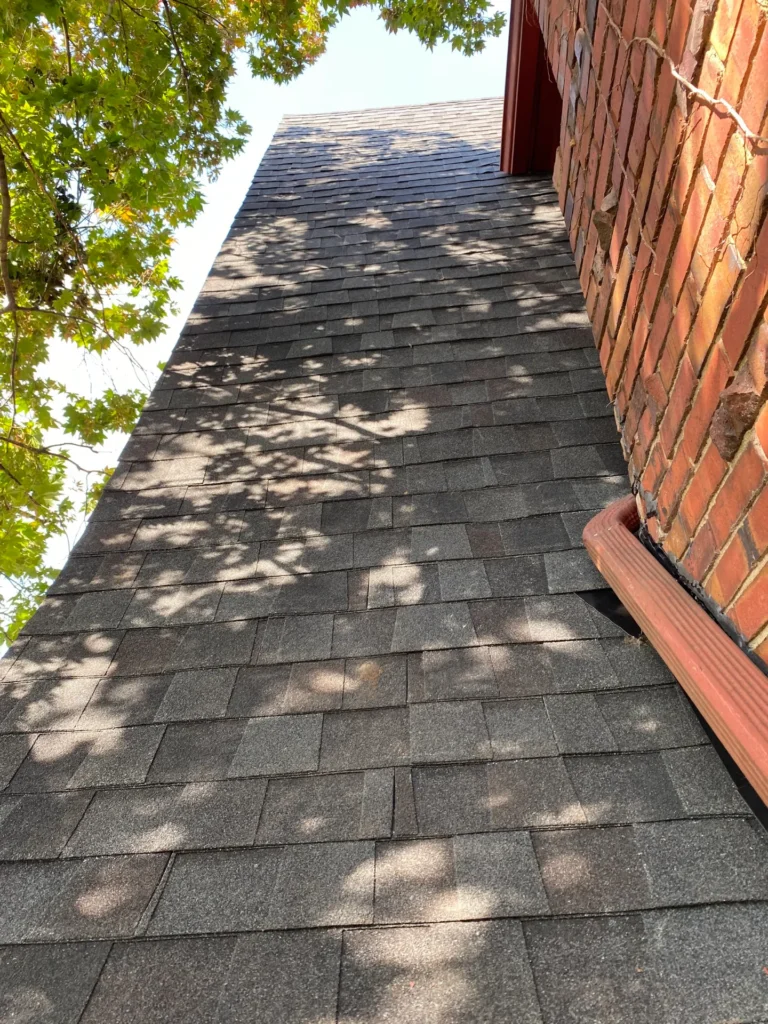
When attic ventilation is inadequate, the effects add up. Trapped heat and moisture can warp the roof decking, cause shingles to blister and age prematurely, and even void some manufacturer warranties, which require proper ventilation. Moisture that can’t escape condenses on rafters and insulation, creating the perfect conditions for mold and wood rot. And because your HVAC system has to fight an overheated attic, you pay for it on every energy bill. In other words, skimping on ventilation is expensive in ways most homeowners never connect back to the roof.
Signs your roof isn’t ventilating well
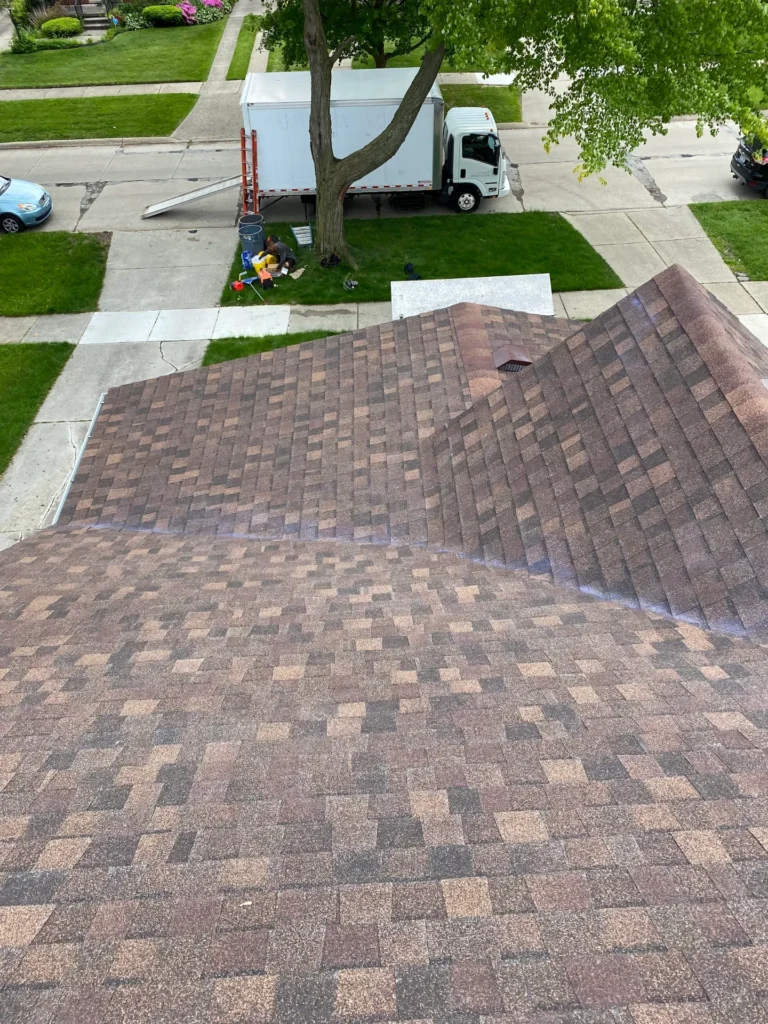
A few warning signs point to a ventilation problem: an attic that feels like an oven in summer, frost or condensation on the underside of the roof in winter, ice dams and large icicles at the eaves, musty smells or visible mold in the attic, peeling paint, or heating and cooling bills that keep climbing. If you’re seeing several of these, your roof is likely struggling to breathe — and a professional roof inspection can confirm it and measure whether your intake and exhaust are balanced.
Types of roof ventilation
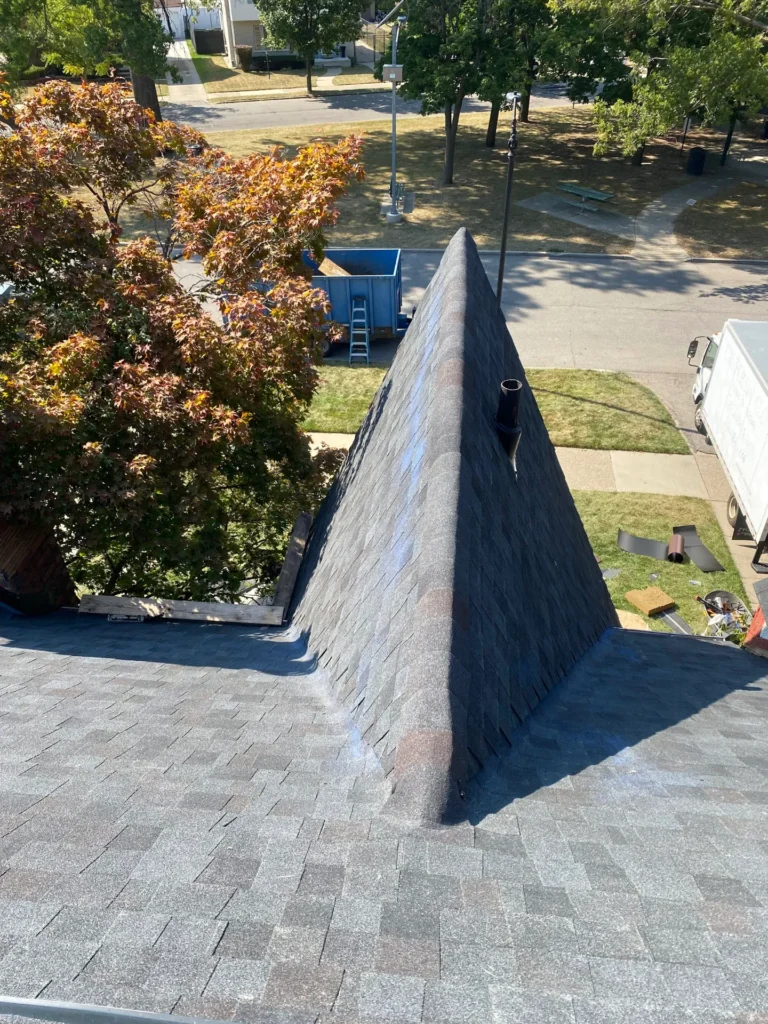
A healthy system pairs intake and exhaust. Soffit vents along the eaves pull cool air in; ridge vents running along the peak let hot air out, and because they run the full length of the ridge, they’re often the most effective exhaust option. Other components — gable vents, roof (box) vents, and powered fans — can supplement the system, but the key principle is balance. Too much exhaust without enough intake, or vice versa, undermines the whole system. That balance is something a professional should calculate for your specific roof rather than guess at.
How ventilation problems get fixed
The good news is that ventilation issues are usually very fixable, and the fix often pays for itself in lower energy bills and a longer-lasting roof. Solutions range from adding or clearing soffit vents to installing a continuous ridge vent, improving attic insulation, and sealing the air leaks that let warm household air into the attic in the first place. Because every roof is different, the right combination depends on your home’s design and how it’s currently venting — which is exactly what an inspection determines. If your ventilation problem has already led to a leak, our roof leak repair team can address the water damage while correcting the underlying cause.
Worried your roof isn’t breathing properly?
T&M Roofing can assess your roof and attic ventilation and fix imbalances before they cost you. Book a free inspection today.
Get a Free Estimate or call (313) 600-4538
How much ventilation does a roof need?
There’s a general rule of thumb in the building world — often expressed as one square foot of ventilation for every 150 square feet of attic floor, split evenly between intake and exhaust — but the right amount for your home depends on its size, roof design, and insulation. The key word is balance: intake at the eaves must roughly match exhaust at the ridge for air to actually flow. Too little ventilation is the most common problem, but an unbalanced system can be nearly as bad. This is why a professional should calculate your roof ventilation needs rather than simply adding a vent here and there.
Common ventilation myths
A few misconceptions cause a lot of trouble. One is that more vents are always better — in reality, mixing incompatible exhaust types can short-circuit airflow and make things worse. Another is that closing attic vents in winter keeps the house warmer; in fact it traps moisture and invites mold and rot. A third is that a single powered fan solves everything. The truth is simpler and less flashy: good attic ventilation comes from a balanced intake-and-exhaust system combined with proper insulation and air-sealing, so warm household air never reaches the attic in the first place.
When to bring in a professional
Some ventilation steps are DIY-friendly, like keeping soffit vents clear of insulation and debris. But diagnosing an airflow imbalance, adding a continuous ridge vent, or correcting a system that’s pulling air the wrong way is work for a professional. Because ventilation ties directly into insulation, moisture, and your roof’s warranty, it’s worth getting an expert assessment rather than guessing — a small correction now can add years to your roof’s life.
Frequently asked questions
How do I know if my attic has enough ventilation?
Signs of trouble include an extremely hot attic in summer, frost or condensation in winter, ice dams, mold or musty smells, and rising energy bills. A professional can measure whether your intake and exhaust are properly balanced.
Does roof ventilation really lower energy bills?
Yes. Proper roof ventilation keeps your attic from overheating in summer, which reduces the load on your air conditioning, and helps prevent the moisture problems that make a home harder to heat efficiently in winter.
Can poor ventilation void my roof warranty?
It can. Many shingle manufacturers require adequate attic ventilation for their warranty to remain valid, because trapped heat and moisture shorten shingle life.
Can I improve roof ventilation myself?
You can keep soffit vents clear, but adding a ridge vent, balancing intake and exhaust, or diagnosing airflow problems is best left to a professional who can calculate what your specific roof needs.
T&M Roofing helps homeowners in Detroit, Dearborn, Southfield, and Canton get their roof ventilation and attic ventilation right — protecting the roof, the home, and the budget all at once.
Helpful outside resources: U.S. Department of Energy – Consumer Guide to Durable Attics · MSU Extension – tips to prevent ice dams